
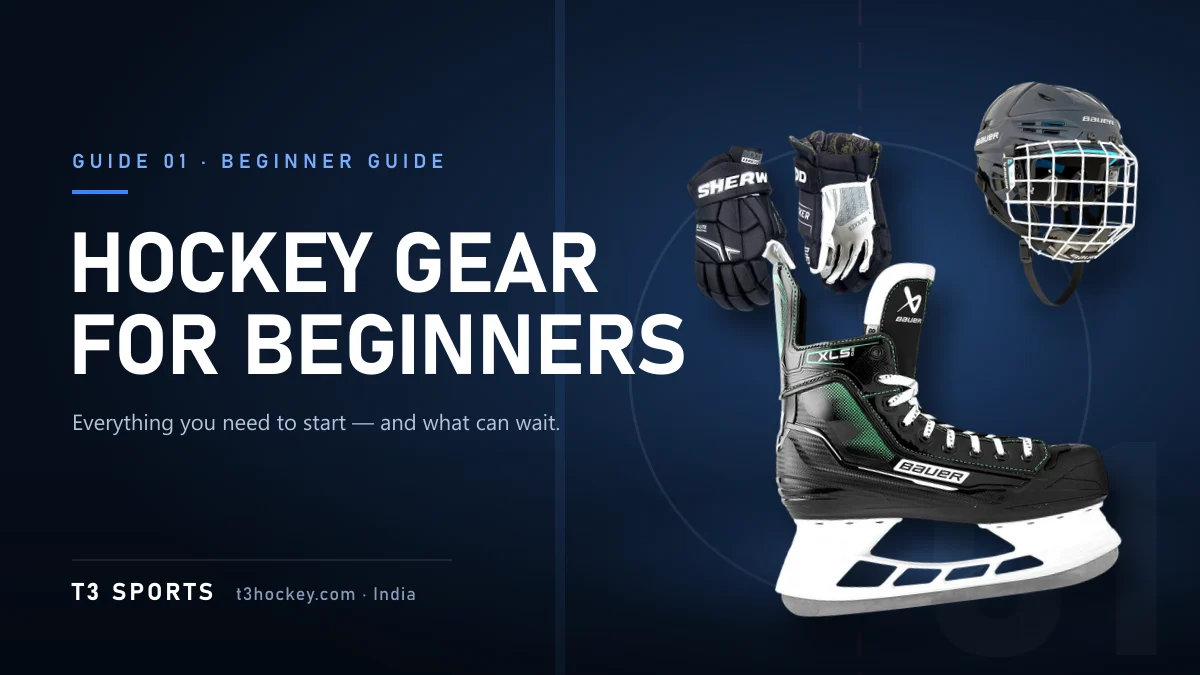
To start hockey in India you need seven things: skates, a stick, a certified helmet with a cage, gloves, elbow pads, shin guards and — for ice or full-contact play — shoulder pads and hockey pants. Spend most of your budget and care on the skates and helmet, because fit and safety matter most there. The rest can be entry-level gear you upgrade later. Inline, roller and ice hockey share almost the same protective gear, so one kit covers most sports.
What hockey gear does a beginner actually need?
A complete beginner kit has the following pieces. Here is what each one does and how much it matters.
- Skates — the most important purchase. A bad fit causes pain, blisters and slow progress. Ice players need ice hockey skates; inline and roller players need inline skates with the right wheels.
- Stick — sized to your height and weight. Beginners learn faster with a lighter, more flexible stick.
- Helmet with cage — protects head and face. Choose a certified hockey helmet such as the Bauer Re-Akt 55 helmet combo or the T3 Sports helmet combo.
- Gloves — protect hands and wrists from sticks and falls. See protective gear.
- Elbow pads — falls on hard rink and court surfaces land on the elbows first.
- Shin guards — protect knees and shins from pucks, balls, sticks and falls.
- Shoulder pads and hockey pants — needed for ice hockey and any game with body contact; optional for casual inline sessions.
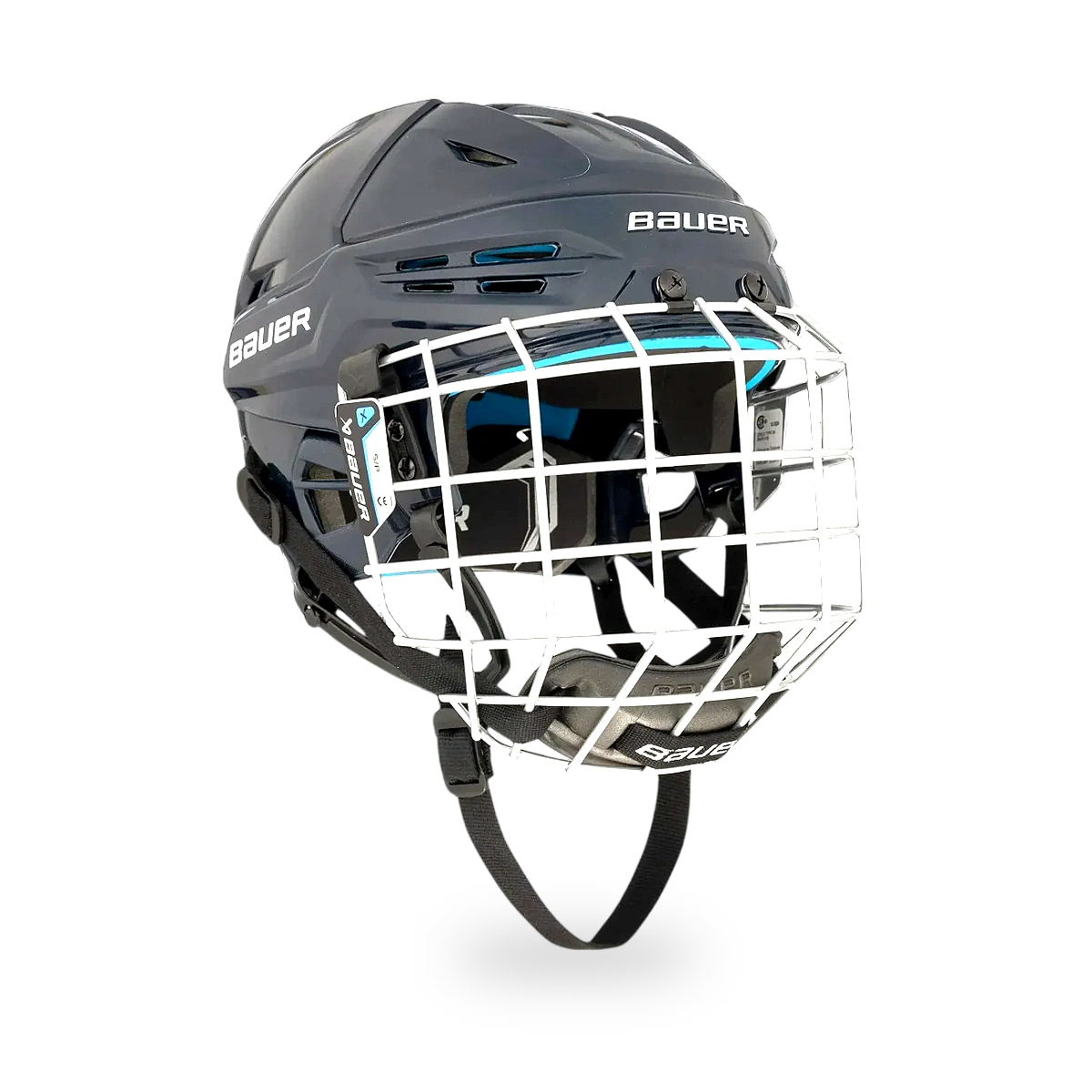
💡 Tip: If you are on a budget, buy good skates and a certified helmet first. Gloves, elbow pads and shin guards can be entry-level models — they protect well and you can upgrade once you know you love the sport.
Is gear different for ice hockey and inline hockey?
Mostly no. The protective gear is almost the same; the skates and the playing object are different.
- Ice hockey: ice skates with steel blades, a puck, full protection including shoulder pads and hockey pants.
- Inline / street hockey: inline skates with wheels, a puck or ball depending on the league, and lighter protection — many players use a padded shirt or girdle such as the CCM RBZ 150 padded shirt and CCM RBZ 110 roller girdle instead of bulky ice pads.
- Rink (quad) hockey and rollball have their own skate and stick styles. Read our guides on rink hockey and rollball, and the comparison of inline vs rink vs ice hockey.
How do I choose my first hockey skates?
Choose skates for fit first, then for level. A comfortable mid-range skate beats an expensive pro skate that pinches.
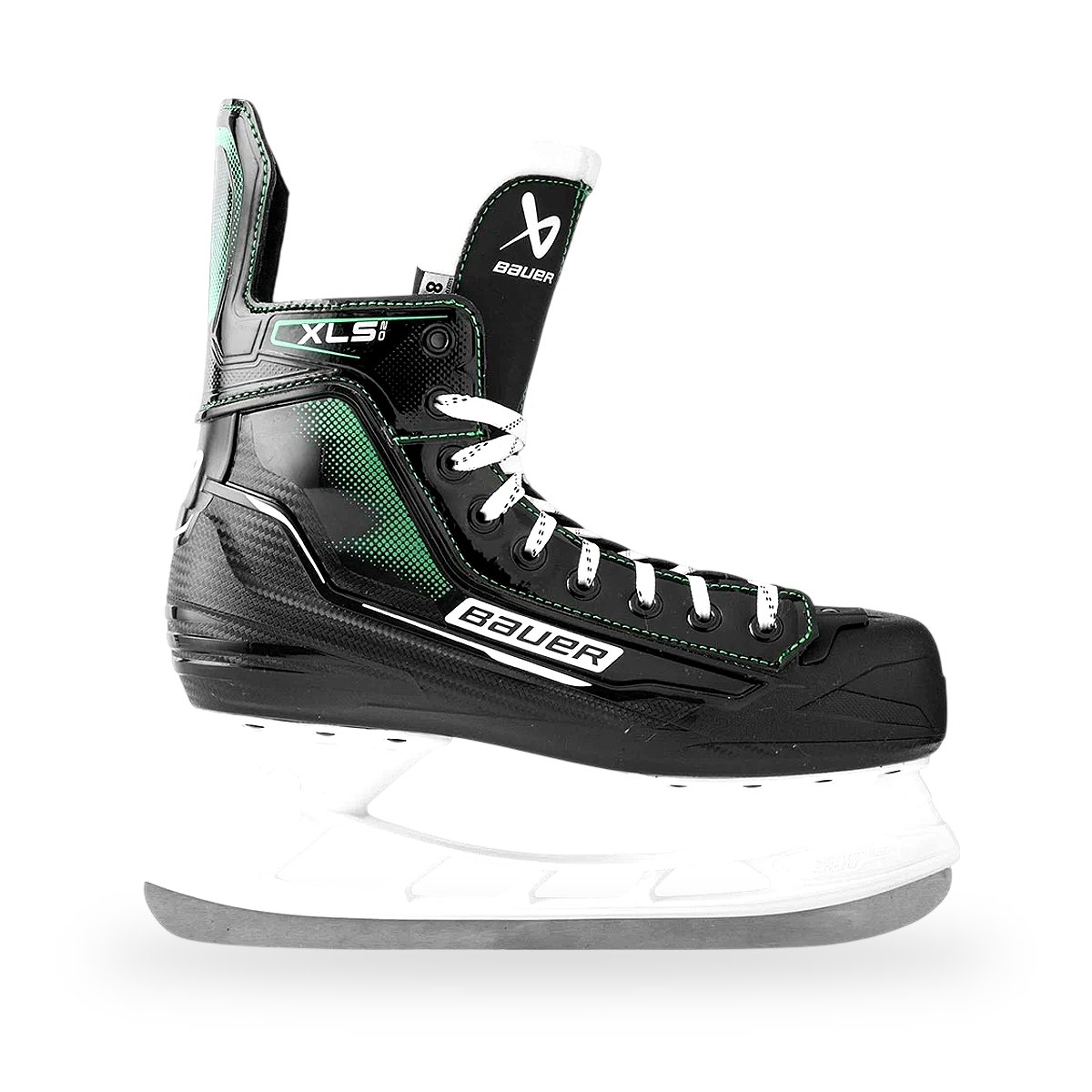
- Measure your foot in centimetres (or inches), standing, in the thin sports sock you will play in. Hockey skates usually run half to one full size smaller than your shoe size. Our skate size guide shows the full method.
- Pick the right width. Brands make narrow, medium and wide fits. If shoes often feel tight across the foot, tell us — we will suggest a wider model.
- For inline, match the wheels to your surface. Softer wheels (around 74A–76A) grip smooth indoor courts; harder wheels (around 82A and up) last longer on outdoor concrete and asphalt. See wheels and bearings.
- Children can start in adjustable skates such as the Bauer XLP adjustable inline skates or Bauer Lil' Rookie adjustable skates, which extend as feet grow.
⚠️ Warn: Never buy skates "to grow into" by more than about 1–1.5 cm. A skate that is too big lets the heel lift, causes blisters and makes learning to stop much harder.
How do I choose a beginner hockey stick?
Pick a stick by length, flex and hand.
- Length: standing in skates, the top of the stick should reach roughly between your chin and nose. Shorter sticks help puck control; beginners often prefer slightly shorter.
- Flex: a common rule is a flex rating around half your body weight in pounds. Lower flex is easier to bend, so shots feel stronger for lighter players and kids.
- Hand (left or right): if you hold a broom with your right hand lower, you usually shoot left — but try both if you can. Read our stick flex guide.
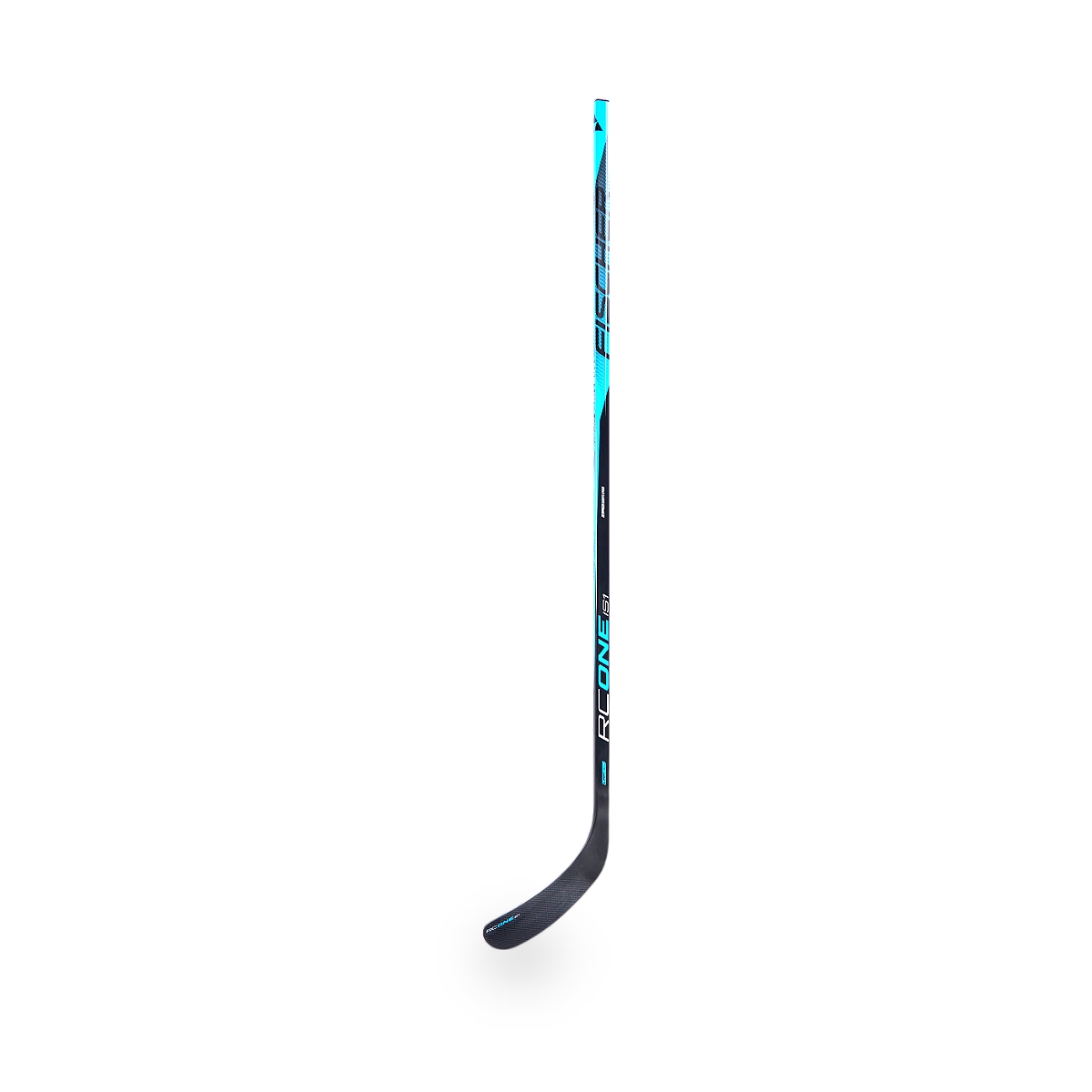
- Composite vs wood or ABS: composite sticks are lighter and more responsive; ABS-blade sticks like the Fischer RC One IS1 are tougher on rough outdoor surfaces — a good beginner choice for inline.
What protective gear sizes do I need?
Protective gear is sized by age group and body measurements, not shoe size. Brands use four groups (exact ranges vary by brand):
- Youth — young children, roughly under 8
- Junior — roughly 7 to 13
- Intermediate — roughly 11 to 14, between junior and senior
- Senior — teenagers and adults
What can a beginner skip at first?
Skip anything that does not protect you or move you. These can wait:
- Spare blades, extra wheel sets and premium bearings
- Pro-level carbon sticks
- Hockey bags (a sports bag works at first — though a proper hockey bag keeps gear dry and aired out)
Does this checklist apply outside India?
Yes — the gear list and sizing rules are the same worldwide. Bauer, CCM, True and other brands use the same Youth, Junior, Intermediate and Senior size groups and the same skate size scales in every country, so this checklist works whether you play in India, the Middle East, Europe or North America.
What is different in India is the playing conditions:
- Most inline and roller hockey is played outdoors on concrete, asphalt and sports courts, so harder outdoor wheels (around 82A and up) last much longer.
- Heat and humidity — air out your gloves, pads and skates after every session so they dry and do not smell. A ventilated hockey bag helps.
- Ice rinks are few — only a handful of Indian cities have one — so many players start on inline skates and move to ice later. The protective gear carries over.
How do I buy hockey gear from T3 Sports?
- Browse the gear on our site — every product has photos, specifications and a size guide where available.
- Tap Add to cart and send your list on WhatsApp (+91 91112 22274), or message us directly.
- Tell us your height, weight, shoe size and the sport you play — we suggest sizes and models.
- We reply with a quote, and ship across India.
💡 Tip: Teams, schools and academies can send one list for the whole squad — we quote everything together.
Ready to start? Browse skates, sticks, protective gear and goalie equipment, or shop by brand: Bauer, CCM, Fischer and all brands.